Edger User Guide: A Comprehensive Overview (Updated 03/31/2026)
Welcome! This comprehensive guide, updated today, March 31st, 2026, will expertly navigate you through installation, operation, and diligent maintenance of your new edger.
Edgers are specialized landscaping tools designed to create clean, defined lines between your lawn and other surfaces like sidewalks, driveways, flower beds, and patios. Unlike traditional lawnmowers that cut grass at a uniform height, edgers focus on vertically cutting along edges, providing a polished and professional appearance to your landscape. They are essential for maintaining curb appeal and a well-manicured yard.
Whether you’re a homeowner striving for a pristine lawn or a landscaping professional maintaining multiple properties, understanding the function and benefits of an edger is crucial. Modern edgers come in various forms, including gas-powered and electric models, each offering unique advantages to suit different needs and preferences. This guide will delve into these options, providing detailed insights into their features, operation, and maintenance, ensuring you achieve optimal results with your edging endeavors.
Types of Edgers Available
The edger market presents homeowners and professionals with two primary choices: gas-powered and electric models. Gas-powered edgers, typically fueled by gasoline, offer robust power and extended runtime, making them ideal for larger properties and demanding tasks; They are not limited by cords or battery life, providing greater freedom of movement.
Electric edgers, conversely, prioritize convenience and environmental friendliness. These can be corded, requiring access to a power outlet, or cordless, utilizing rechargeable batteries. Cordless electric edgers offer portability similar to gas models, though runtime is dependent on battery capacity. Choosing between these types hinges on factors like yard size, power requirements, and personal preference regarding noise levels and maintenance.
Gas-Powered Edgers: Features & Benefits
Gas-powered edgers excel in delivering consistent, high power, making them perfect for tackling tough edging jobs and expansive landscapes. A key benefit is their unrestricted runtime; you can continue edging as long as you have fuel, unlike battery-dependent alternatives. These edgers typically feature adjustable cutting depths, allowing customization for various edging styles and surface types.
Furthermore, gas edgers often boast durable construction, designed to withstand frequent use and challenging conditions. While requiring more maintenance – including oil changes and spark plug replacements – this also contributes to their longevity. The powerful engines effectively cut through overgrown grass and stubborn weeds, providing professional-quality results. They are a strong choice for users prioritizing power and endurance.
Electric Edgers: Features & Benefits

Electric edgers, both corded and cordless, offer a compelling blend of convenience and efficiency. Cordless models, powered by rechargeable batteries, provide excellent maneuverability without the restriction of a power cord, ideal for smaller to medium-sized yards. Corded electric edgers deliver consistent power, eliminating concerns about battery life during extended use.

A significant advantage of electric edgers is their reduced maintenance compared to gas-powered models; no oil changes or spark plug replacements are needed. They are also considerably quieter, making them neighbor-friendly. While generally less powerful than gas edgers, modern electric models offer sufficient power for most residential edging tasks. They represent an eco-conscious choice, producing zero emissions during operation.
Choosing the Right Edger for Your Needs
Selecting the ideal edger hinges on several key factors. Yard size is paramount: larger properties often benefit from the power and runtime of a gas-powered edger, while smaller yards may find an electric model sufficient. Consider the edging frequency; occasional use leans towards electric convenience, whereas frequent, demanding tasks justify gas power.
Corded versus cordless electric edgers present another decision. Cordless offers freedom, but battery life and charging time are considerations. Terrain also matters – uneven ground might necessitate a lighter, more maneuverable electric model. Finally, budget plays a role; electric edgers generally have a lower upfront cost, but gas models offer long-term durability.
Safety Precautions Before Operation
Prioritize safety before each use! Thoroughly inspect the work area, removing stones, debris, and any obstacles that could become projectiles. Ensure children and pets are a safe distance away – a minimum of 50 feet is recommended. Never operate the edger in wet or damp conditions to avoid electrical shock (electric models) or loss of control.
Fuel safety is crucial for gas-powered edgers; refuel only when the engine is cool and in a well-ventilated area. Be mindful of power cords with electric models, avoiding damage and ensuring they are clear of the cutting path. Always disconnect the power source when performing maintenance or adjustments. Familiarize yourself with the edger’s emergency stop mechanism.
Personal Protective Equipment (PPE)
Essential PPE is non-negotiable for safe edger operation. Always wear safety glasses or a face shield to protect your eyes from flying debris. Sturdy, closed-toe shoes are vital, preferably steel-toed, to guard against accidental contact with the blade or ejected objects. Hearing protection, such as earplugs or earmuffs, is highly recommended due to the edger’s engine noise.
Long pants and a long-sleeved shirt offer additional protection from potential abrasions and projectiles. Gloves provide a better grip and shield your hands. Avoid loose clothing that could get caught in the machinery. Regularly inspect your PPE for damage and replace items as needed to maintain optimal safety during each edging session.
Pre-Operation Checklist
Before each use, a thorough pre-operation check is crucial for safety and optimal performance. First, inspect the edger for any loose parts, damaged cords (for electric models), or fuel leaks (for gas models). Ensure the blade is securely attached and in good condition – dull or damaged blades are a hazard.
Clear the work area of stones, debris, and any objects that could become projectiles. Verify the safety shield is properly installed and functioning. For gas edgers, check the oil and fuel levels, and for electric edgers, confirm the power cord is undamaged and the connection is secure. Finally, confirm you’ve donned all required Personal Protective Equipment (PPE) before starting the edger.
Assembling Your Edger
Careful assembly is vital for safe and effective operation. Begin by unpacking all components and verifying against the parts list in your owner’s manual. Typically, assembly involves attaching the handle to the edger body using provided bolts and washers – ensure these are tightened securely, but avoid over-tightening;
Next, attach the wheel assembly, if applicable, following the diagram in the manual. Some models require attaching a blade guard or deflector shield; confirm proper alignment and secure fastening. Before proceeding, double-check all connections. A loosely assembled edger can be dangerous and lead to malfunctions. Refer to your specific model’s instructions for detailed guidance, as assembly steps can vary.
Attaching the Blade
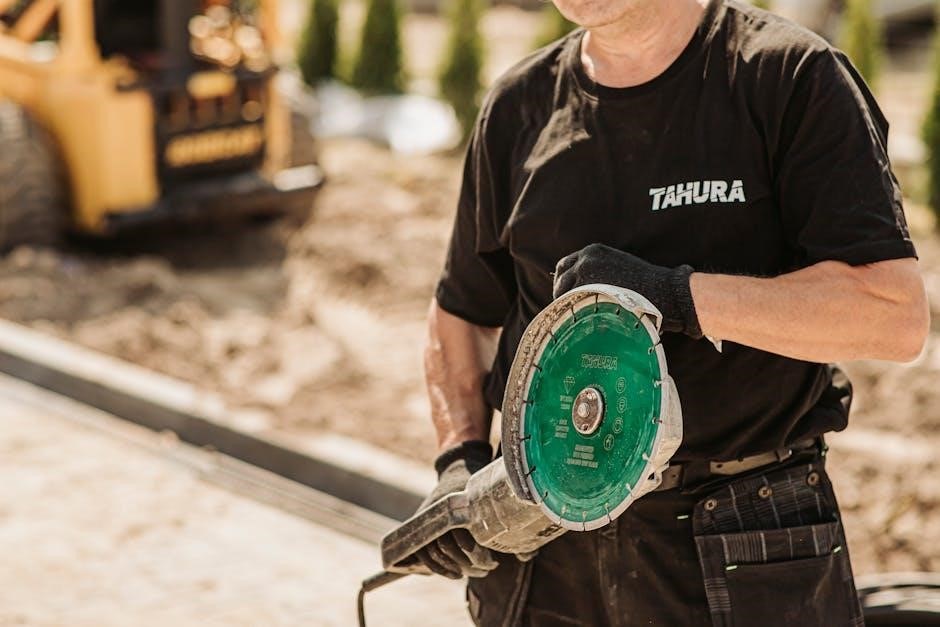
Blade attachment is a critical step demanding utmost care. Always disconnect the spark plug wire (gas edgers) or remove the battery (electric edgers) before handling the blade. Consult your owner’s manual for the correct blade orientation – installing it backward will compromise performance and safety.
Secure the blade using the provided hardware, typically a nut and washer. Tighten the nut to the manufacturer’s specified torque; insufficient tightness risks blade detachment during operation, while over-tightening can damage the shaft. After tightening, visually inspect the blade to confirm it’s firmly attached and rotates freely. Never operate the edger with a damaged or improperly installed blade.
Adjusting Cutting Depth
Precise depth control is key to achieving professional edging results and preventing scalping. Most edgers feature a depth adjustment lever or wheel, allowing you to raise or lower the blade. Begin with a shallow setting, especially on uneven terrain, to avoid digging too deeply.
Gradually increase the cutting depth until you achieve the desired groove width. Observe the edger’s performance as you adjust; if it struggles or leaves an uneven cut, reduce the depth. Remember that different turf types and soil conditions may require varying depth settings. Regularly check and readjust the depth, as it can shift during operation due to vibrations and ground conditions.
Operating Your Edger: Step-by-Step Guide
Before starting, ensure the area is clear of debris and obstructions. For gas-powered models, follow the starting procedure outlined in the manual – typically involving priming the bulb and engaging the choke. Electric edgers require a properly connected extension cord.
Begin edging with a smooth, controlled motion, overlapping each pass slightly for a clean, consistent groove. Maintain a consistent walking speed and guide the edger along the desired line. Avoid forcing the edger; let the blade do the work. Regularly clear away clippings to maintain visibility and prevent clogging. Always edge away from yourself and others for safety.
Starting a Gas-Powered Edger
Prior to starting, verify the fuel tank is filled with the correct fuel mixture and the spark plug is securely connected. Engage the blade safety lock, if equipped. Prime the fuel bulb several times – typically 5-10 pumps – until fuel is visible. Slowly engage the choke lever, positioning it for a cold start.
Grip the starter handle firmly and pull briskly. Repeat this motion until the engine attempts to start. Once it sputters, gradually disengage the choke. Continue pulling until the engine runs smoothly. Allow the engine to warm up briefly before engaging the blade. Always maintain a firm grip and stable footing during the starting process.
Starting an Electric Edger

Before operation, ensure the edger is connected to a properly grounded, compatible power outlet. Verify the power switch is in the “off” position. Inspect the power cord for any damage – do not use if frayed or damaged. Depress the safety lock button, if present, and simultaneously squeeze the trigger to initiate the motor.
Release the trigger immediately if the blade doesn’t engage. A brief pause may be required between attempts to prevent overloading the motor. Always maintain a secure grip on the handles during startup. Electric edgers start instantly, so be prepared for immediate blade rotation. Disconnect from power when not in use.
Edging Techniques for Clean Results
For a professional finish, walk at a steady pace, guiding the edger along the desired line. Overlap each pass slightly to avoid leaving ridges or uncut grass. Maintain a consistent cutting depth, adjusting as needed for varying turf conditions. Avoid forcing the edger; let the blade do the work.

Angle the edger slightly towards the lawn for a cleaner, more defined edge; Regularly clear away grass clippings to maintain visibility and prevent clogging. For tougher areas, make multiple shallow passes rather than one deep cut. Practice on an inconspicuous area first to get a feel for the edger’s performance. Remember safety first, and always wear appropriate PPE!
Maintenance & Care
Regular maintenance is crucial for extending the life and performance of your edger. After each use, thoroughly clean the housing and blade, removing any accumulated grass clippings or debris. Inspect the blade for damage – nicks, dullness, or bends – and address them promptly.
For gas-powered edgers, check the oil level and air filter regularly, following the manufacturer’s recommendations. Electric edgers require inspection of the power cord for frays or damage. Store your edger in a dry, protected environment. Proper care ensures optimal cutting and prevents premature wear, saving you time and money in the long run.
Blade Sharpening & Replacement
A sharp blade is essential for clean, precise edging. Regularly inspect your blade for dullness; a dull blade tears grass instead of cutting it cleanly. Sharpening can often be done with a metal file, following the original bevel angle. Always disconnect the power source (or remove the spark plug for gas models) before sharpening.
When the blade is severely damaged, worn, or cannot be adequately sharpened, it must be replaced. Consult your edger’s manual for the correct blade replacement part number. Ensure the new blade is securely attached, following the assembly instructions precisely. Improperly installed blades are dangerous and can cause injury. Prioritize safety during this process!
Engine Maintenance (Gas Edgers)
Maintaining your gas edger’s engine is crucial for reliable performance and longevity. Regularly check the oil level before each use, adding oil as needed according to the manufacturer’s specifications. Use the recommended oil type to avoid engine damage. Inspect the air filter frequently, cleaning or replacing it when dirty to ensure proper airflow;
Spark plugs should be inspected and replaced annually, or more often if experiencing starting difficulties. Fuel stabilization is vital, especially during storage; use a fuel stabilizer to prevent fuel degradation and carburetor issues. Properly dispose of old fuel. Adhering to a consistent maintenance schedule will significantly extend the life of your gas-powered edger.
Electric Edger Maintenance
Maintaining your electric edger is generally simpler than gas models, but still requires attention. Regularly inspect the power cord for any damage – cuts, fraying, or exposed wires – and replace it immediately if found to prevent electrical shock. Clean the motor housing after each use, removing grass clippings and debris with a dry cloth.
Check the blade for sharpness and secure attachment. Lubricate moving parts periodically with a silicone-based lubricant. Store the edger in a dry location to prevent corrosion. Avoid exposing the motor to excessive moisture. Proper care ensures your electric edger remains a reliable tool for years, delivering consistent performance with minimal fuss.
Troubleshooting Common Issues
Encountering problems? This section addresses frequent issues. If your edger won’t start, first verify the power source (outlet or fuel tank). Check the safety switch and ensure it’s engaged correctly. For uneven edging, adjust the cutting depth and maintain a consistent walking speed. Inspect the blade for dullness or damage; a sharp, properly installed blade is crucial.
Blade problems, like wobbling or failing to spin, often indicate a loose attachment or a damaged blade. Always disconnect the power source before inspecting the blade. If issues persist, consult a qualified technician. Remember safety first – never attempt repairs while the edger is powered or connected!
Edger Won’t Start
Frustrated with a non-starting edger? Let’s diagnose the issue. For gas-powered edgers, check the fuel level, ensuring fresh fuel is used. Verify the spark plug is clean and properly connected. Examine the air filter for obstructions. For electric edgers, confirm a functioning power outlet and a secure connection. Inspect the power cord for damage.
Also, ensure the safety switch is correctly engaged – it’s a common culprit! If the engine turns over but doesn’t fire, a carburetor issue might exist. If it’s completely unresponsive, a faulty starter motor or a blown fuse could be the cause. Always disconnect power before inspecting any components.
Uneven Edging

Achieving consistently clean edges requires technique and a properly maintained edger. If you’re experiencing uneven edging, first check the blade’s sharpness – a dull blade tears rather than cuts, resulting in a ragged appearance. Ensure the cutting depth is appropriately adjusted for the surface you’re edging; too shallow won’t cut effectively, too deep can cause scalping.

Maintain a consistent walking speed and guide the edger in a straight line. Overlapping passes slightly can help blend any inconsistencies. Also, consider the terrain; uneven ground will naturally lead to uneven cuts. Regularly clear debris from the edging path to prevent interference. Finally, verify the blade is securely attached and not wobbling.
Blade Problems
Encountering blade issues can significantly impact edging performance. A wobbling blade indicates a loose attachment; immediately stop the edger and tighten all securing bolts. If the blade is bent or damaged, it must be replaced – do not attempt to repair it. Dull blades cause tearing instead of clean cuts, necessitating sharpening or replacement.
Inspect the blade regularly for cracks, chips, or excessive wear. Ensure the blade is correctly installed with the cutting edge facing the appropriate direction. When replacing a blade, always use a manufacturer-approved replacement part. Improper blade installation can be dangerous and damage the edger. Always disconnect the power source before inspecting or working on the blade.